Why This Matters
- •Homes built before 1978 may contain lead-based paint — millions still do
- •Lead exposure is especially dangerous for children under 6 and pregnant women
- •You can test for it yourself with an inexpensive kit — or hire a certified inspector
- •Intact lead paint isn't always an emergency — but deteriorating paint is
- •Proper cleaning after testing or disturbance is critical to reducing exposure
What Is Lead Paint and Why Is It Still a Problem?
Lead-based paint was commonly used in homes across the United States right up until 1978, when the federal government finally banned its use in residential properties. Before that ban, it was everywhere — walls, trim, window frames, doors, railings, cabinets, and even furniture. The paint was durable, adhesive, and dried fast. Builders and homeowners loved it.
The problem? Lead is a highly toxic heavy metal. When paint chips, peels, or gets sanded down — it releases lead dust and fragments that, when ingested or inhaled, accumulate in the body over time. There is no safe level of lead exposure, especially for young children and developing fetuses.
According to the EPA, approximately 24 million homes in the U.S. still have deteriorated lead paint and high levels of lead-contaminated dust. If your home was built before 1978, the odds are real — roughly 87% of homes built before 1940 contain lead paint somewhere.
Quick Probability by Build Year
Source: U.S. Department of Housing and Urban Development (HUD)
1Visual Warning Signs to Look For
You can't identify lead paint by looking at it — it looks just like any other paint. But you can look for signs that old paint is deteriorating, which is when it becomes a hazard. Here's what to watch for during a walkthrough of your home:
Chipping or Peeling Paint
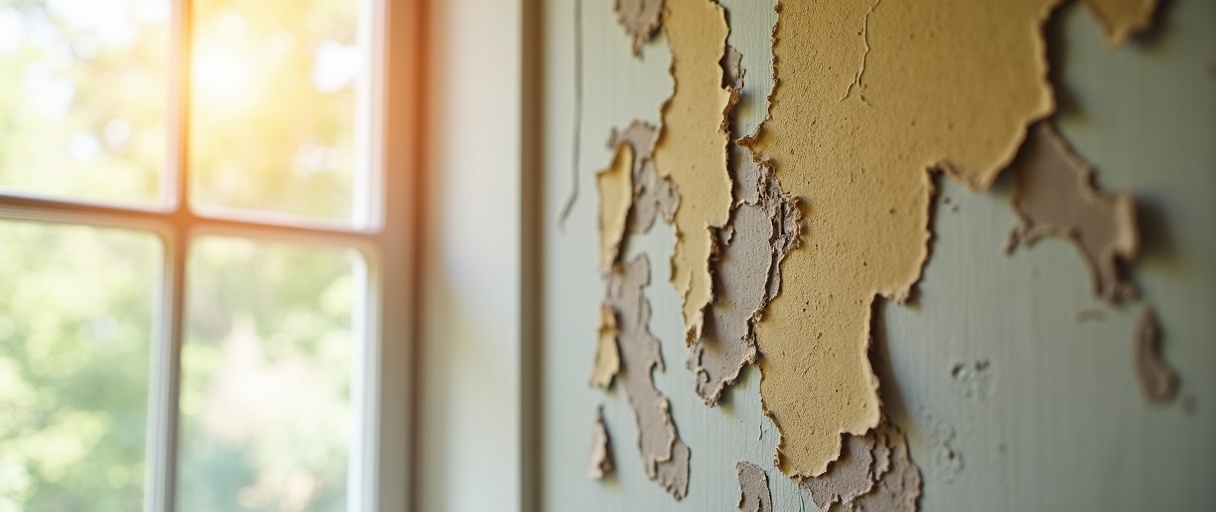
Flaking paint on any surface — especially near windows, doors, and trim — is a major red flag. Paint that was applied in multiple layers can peel in sheets.
Alligatoring Pattern
That distinctive scaly, reptile-skin pattern on old paint (called alligatoring) is a classic sign of very old paint that may contain lead. It indicates the paint has lost adhesion.
Worn Areas on Door Frames & Windows
Lead paint on friction surfaces like window tracks and door frames gets ground into fine dust every time they open and close — one of the most dangerous scenarios.
Chalking Exterior Paint
Exterior paint that chalks or rubs off as a powdery residue on contact is deteriorating. Wind and rain can carry that dust inside and into soil around the home.
Recent Renovation Disturbance
Any recent sanding, scraping, or remodeling on a pre-1978 home could have disturbed lead paint layers without you knowing, leaving dust behind on surfaces.
Water-Damaged Paint
Moisture causes paint to bubble, crack, and peel. Lead-painted areas near leaks, pipes, or condensation are especially vulnerable and should be tested immediately.
2How to Test for Lead Paint at Home
Testing is easier than most people think. You have two solid options depending on your situation and budget:
Option A: DIY Test Kits (Quick & Affordable)
DIY lead test swabs are available at hardware stores and online for around $10–$30 for a pack. They use a chemical reaction that turns red or pink in the presence of lead.
Step-by-Step: Using a Home Lead Test Kit
- 1Choose a spot to test — prioritize friction surfaces (windows, doors), peeling areas, or areas being renovated.
- 2Cut through any top layers of newer paint with a utility knife to expose the original paint underneath. Lead may be buried under coats of non-lead paint.
- 3Put on disposable gloves and a mask before handling the test swab.
- 4Break the swab to activate the chemical solution, then rub it firmly on the exposed area for 30 seconds.
- 5Wait the recommended time (usually 30 seconds to 2 minutes). A pink or red color change = lead detected.
- 6Test multiple spots — different rooms, different surfaces. Lead paint may not be uniform throughout the home.
- 7Seal tested areas with a fresh coat of paint or caulk if lead is not detected but paint is deteriorating.
- 8If the test is positive, stop any disturbance and contact a certified lead abatement professional.
Limitation of DIY Kits
DIY kits can produce false negatives (especially with certain types of older lead paint) and don't tell you the concentration of lead. They're a great first step, but a professional test is more reliable if you have concerns.
Option B: Hire a Certified Lead Inspector
A state-certified lead inspector or risk assessor will use an XRF (X-ray fluorescence) analyzer — a handheld device that measures lead concentration in paint without disturbing it. This is the gold standard method.
Lead Inspector
Tests for presence of lead paint throughout the home. Provides a detailed report of where lead was found.
$300 – $500Risk Assessor
Goes further — evaluates lead hazards including dust and soil samples. Recommends specific action steps.
$400 – $700Lead Abatement Contractor
Removes or encapsulates lead paint hazards. Must be EPA-certified under the RRP Rule.
Varies by scope3High-Risk Spots to Always Test First
Not all areas are equal when it comes to lead risk. These spots should be at the top of your list:
- Window frames, sills & tracks — The #1 source of lead dust in older homes. The friction of opening and closing grinds lead paint into fine particles that settle on sills and floors.
- Door frames and doors — Same friction issue — especially the hinge side and latch areas that scrape with every use.
- Stair railings and balusters — High-touch surfaces that get worn down over decades. Kids hold onto these constantly.
- Baseboards and trim — Often painted many times over decades. If any layer was lead-based, sanding for renovations releases it.
- Porches and exterior trim — Exterior lead paint weathers and chips into soil. Vegetable gardens near the home perimeter can absorb it.
- Kitchen cabinets (older homes) — Pre-1978 kitchen cabinets were often painted with lead-based paints. Pay extra attention to cabinet edges where paint wears.
- Ceilings in older rooms — Ceiling paint was heavily lead-based in many older homes. Cracks and water damage can cause flaking.
4What To Do If Lead Is Found
First: don't panic. Intact lead paint that is in good condition — not chipping, peeling, or being disturbed — is generally not an immediate hazard. The key word is "disturbed." The danger comes from lead dust, not sealed paint.
Leave intact lead paint alone
If lead paint is in good condition and not in a high-friction area, the EPA actually recommends leaving it undisturbed rather than risking disturbance through removal. Monitor it regularly for any deterioration.
Encapsulation (cover it)
A certified contractor can apply a special encapsulant — a thick coating that bonds to the lead paint and permanently seals it. Less invasive and less expensive than full removal.
Abatement (remove it)
For severely deteriorated paint or high-risk areas, a certified abatement contractor physically removes the lead paint using wet methods and HEPA vacuums to contain dust. This is required before major renovations in pre-1978 homes.
NEVER sand, scrape, or dry-sweep lead paint yourself
This is the most dangerous thing you can do. Dry methods release an enormous amount of lead dust that can contaminate an entire home. Always use wet methods and HEPA filtration when working near old paint.
5The Cleaning Side of Lead Safety
Even in homes where lead paint is intact, routine cleaning plays a huge role in keeping exposure low. Lead dust settles on floors, window sills, and horizontal surfaces over time — especially in high-friction areas. Here's what actually helps:
Use a HEPA vacuum
Standard vacuums recirculate fine particles. A true HEPA filter traps lead dust rather than blowing it back into the air.
Wet mop hard floors
Dry mopping stirs lead dust up. Wet mopping — with clean water changed frequently — captures it.
Wipe window sills weekly
Use a damp cloth or disposable wet wipe. Sills accumulate the highest concentrations of lead dust in most homes.
Remove shoes at the door
Lead-contaminated soil from outside tracks in on footwear. A strict no-shoes policy reduces indoor contamination significantly.
Wash hands frequently
Especially important for children before eating. Lead dust on hands is a direct ingestion route.
Clean toys and pacifiers regularly
Items that end up in children's mouths should be cleaned frequently if they've been on the floor.
At MMKAY Cleaning Services, we take these concerns seriously. When cleaning older homes, our team is trained to use proper techniques that don't stir up dust — including damp-wiping methods, HEPA filtration, and careful attention to friction surfaces like window tracks and door frames. If you have a pre-1978 home and want cleaning done right, we're the team for it.
The Bottom Line
Lead paint is a manageable risk — not a reason to panic. Know your home's age, watch for deterioration, test strategically, and if lead is found, work with certified professionals. In the meantime, consistent, careful cleaning is one of the most effective things you can do to keep lead dust levels low and your family safe.
Helpful Resources
Have an Older Home? We've Got You.
MMKAY Cleaning Services specializes in thoughtful, detailed cleaning for Great Falls homes of every age. We know how to clean older homes without stirring up hazards — and we care about doing it right.
Call or text:406-770-9092
Email:Office@mmkays.com